
How Do Porta Potties Work On a Job Site?
A standard unit on a Miramar construction site is a self-contained box, about 44 by 48 inches on the ground and 92 inches tall, with a holding tank underneath the seat. No water line, no sewer line. Waste and toilet paper drop into the tank, where a blue chemical breaks down solids and knocks back the smell until the next service. A construction worker running to the porta potty during a pour or a break doesn't think about any of this, and that's the point: it just works. OSHA 1926.51(c) sets the actual requirement behind the unit count, one toilet for crews of 20 or fewer, scaling up from there. Crews planning a bigger job should check how many porta potties do I need before ordering, since undercounting means lines and overcounting means paying for units nobody uses. Miramar Porta Pros delivers and services standard porta potty rental units on a route schedule, and construction site services packages usually bundle the toilet with a handwashing station rental since bare hand sanitizer doesn't meet 29 CFR 1910.141(d)(2), which specifically calls for soap and towels or a drying device.
How Does a Flushable Porta Potty Work?
A deluxe flushable unit uses a small onboard freshwater tank and a foot pump or handle to push a rinse of water through the bowl after each use, instead of leaving waste sitting exposed in the pit below like a basic unit. The waste still drops into the same kind of sealed holding tank underneath, it's just rinsed down rather than left dry. That's the whole trick behind how do flushable porta potties work: a small water reservoir, a pump, and gravity doing the rest. These units run higher than a standard rental and show up a lot at weddings and backyard events around Miramar where guests expect something closer to a real bathroom. For anything with running water on board, a portable sink rental or an actual restroom trailer rental is worth comparing, since a trailer adds sinks, mirrors, and sometimes climate control that a single flushable unit can't match.
How Does a Portable Sink Work?
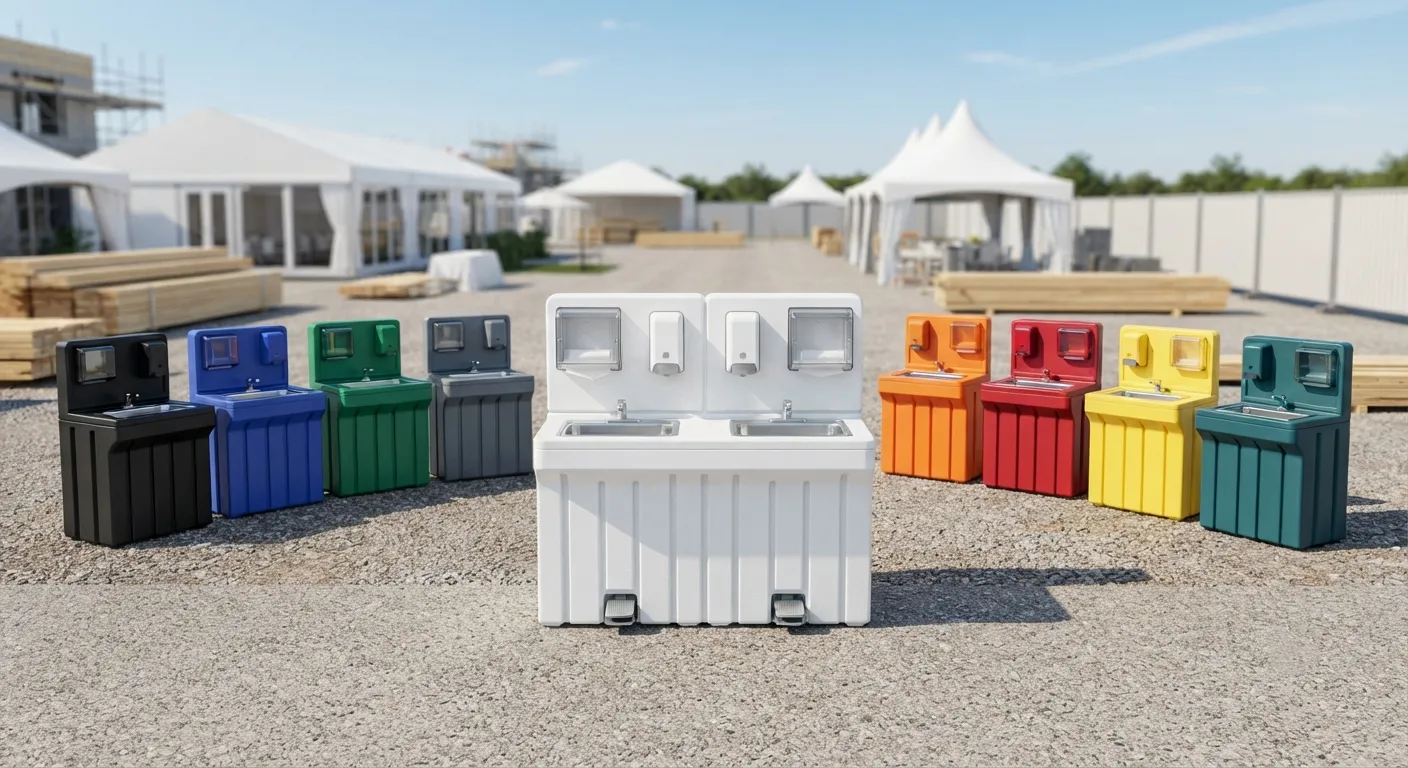
A portable sink runs on its own fresh and gray water tanks, a foot pump or battery pump pushes water to the faucet, and the used water drains into a separate holding tank instead of a drain line. No hookup to a building required. Some units heat the water, some don't, and most hold soap and paper towel dispensers built into the unit itself, which matters because 29 CFR 1910.141(d)(2) requires soap and towels or a drying device, not just sanitizer. OSHA 1926.51(f)(1) requires washing facilities specifically where crews are applying paints, coatings, herbicides or insecticides, so a painting crew in Miramar needs a working sink on site, not just a hand sanitizer stand. A hand sanitizer station rental covers general foot traffic at an event, but it doesn't substitute for a real sink when contaminants are involved. See handwashing station requirements for the fuller breakdown, and pair it with temporary power pole service if the sink needs a heated water option on a longer job.
How Do Camping Porta Potties Work?
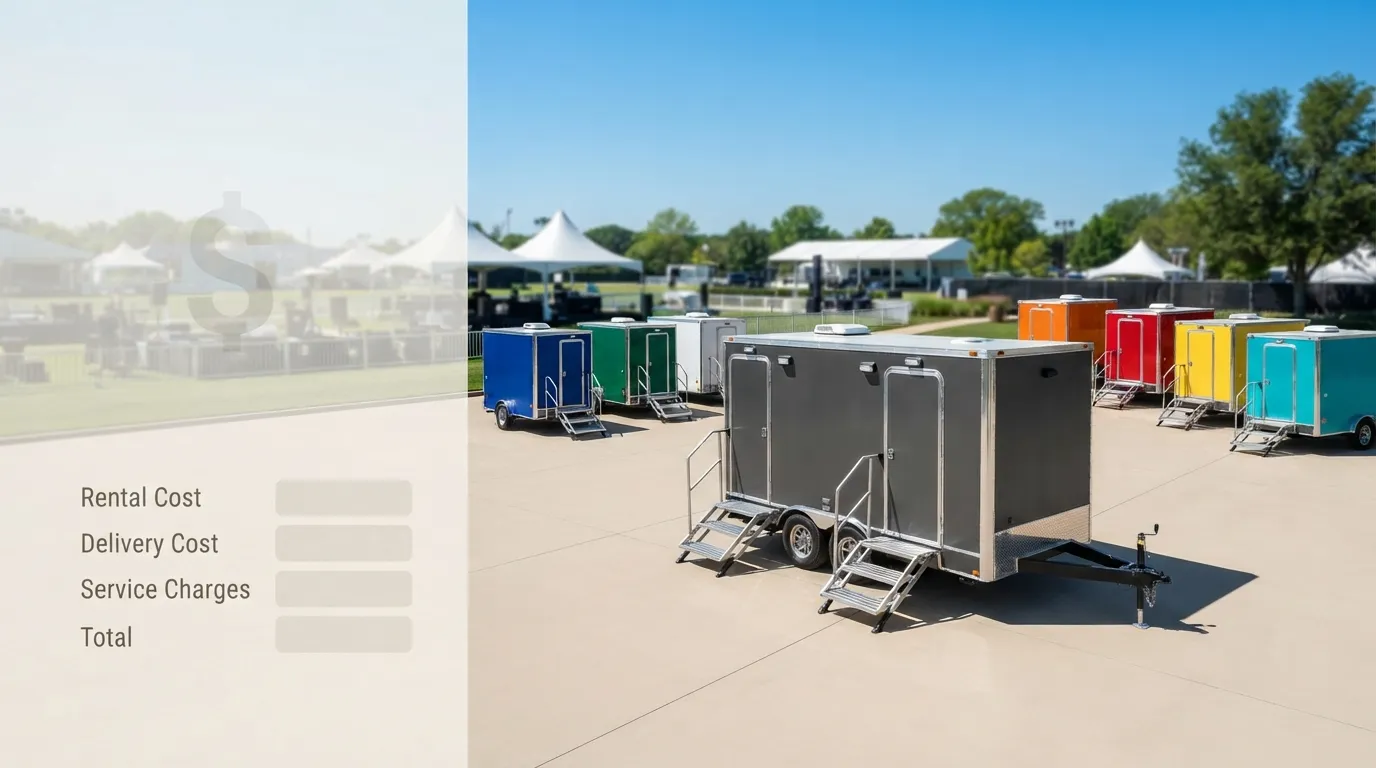
Camping and small-event units work the same way as job site units, just smaller and often serviced less often since foot traffic is lower. ANSI/PSAI Z4.3, the portable sanitation service standard, sets a baseline of one service visit per week for up to 10 users across a 40 hour week, which is roughly what a small camping setup or backyard gathering sees. Miramar sits close to several communities that book the same units for outdoor events, Country Club is 5.6 miles southeast and Palm Springs North is 5.9 miles south, so delivery logistics rarely change much across that radius. A camping porta potty order is usually a single standard unit, while festivals or fairs need a full event restroom rental plan with multiple units and a service route. Anyone hosting near ADA-required parking or pathways should also review ADA accessible porta potty placement, since ADA Standards 213.2 requires at least 5 percent of clustered units to be accessible.
| unit | day | week | month |
|---|---|---|---|
| standard | $100-$350 | $130-$500 | $125-$325 |
| deluxe | $85-$1200 | $150-$290 | - |
| ada | $200-$400 | $240-$400 | - |
Pricing depends on duration and unit type, and a full breakdown lives on porta potty rental cost and monthly porta rental if you're comparing a short job against a longer one.
Do porta potties smell?
Not when serviced on schedule. The blue chemical in the tank breaks down waste and blocks odor between pump-outs, and ANSI/PSAI Z4.3 sets a weekly service baseline for light use. Heavy-use sites need more frequent visits. See do porta potties smell for what drives odor beyond service timing.
What chemicals go in a porta potty?
A blue deodorizing and waste-breakdown chemical, added at delivery and topped off at each service. It's not the same as septic tank cleaning chemicals used in a home system, which target a much larger tank and different bacteria balance. Ask about septic pumping service for tank-specific products.
How often are porta potties cleaned?
Weekly is standard under ANSI/PSAI Z4.3 for up to 10 users across a 40 hour week. Busy construction sites or multi-day events need two or three visits a week. Full scheduling detail is on how often are porta potties cleaned.
Do I need a permit for a porta potty in Miramar?
Placement in a right of way or on a public street may need city confirmation, and that hasn't been verified here. Check porta potty permit requirements before delivery, especially for street-facing placement.
How is a porta potty different from a septic system?
A porta potty is a sealed, self-contained tank serviced by truck. A septic system is buried, tied to plumbing, and pumped every 3 to 5 years depending on tank size and household size. See septic tank pumping cost for that comparison.
Next step
Get a delivery date
Tell us the address, the dates and the headcount. We size the order and confirm the route.