
How Many Tons Does a 20 Yard Dumpster Hold?
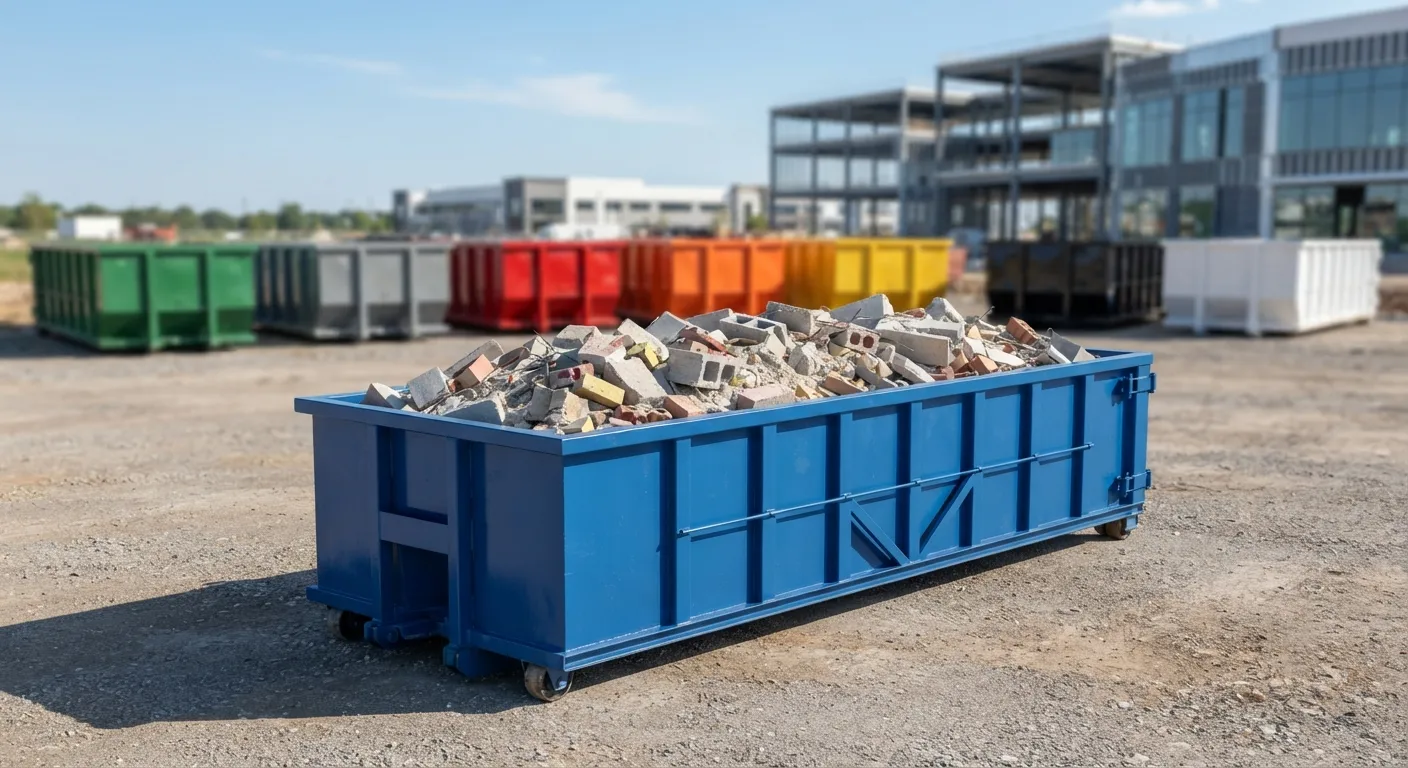
A 20 yard dumpster is built for roughly 3 tons of mixed debris, though the empty weight of the box itself and the material you're loading both push that number around. Heavy stuff like shingles or concrete fills the weight limit long before it fills the box visually. Light stuff like furniture or drywall scrap does the opposite. If you're not sure which side of that line your job falls on, check dumpster sizes and dimensions before you book, or ask about dumpster rental cost so the weight overage risk is priced in up front. For a straightforward home cleanout in Miramar, a 10 yard dumpster rental is often the safer bet on weight, while a 20 yard dumpster rental suits renovation debris and yard waste better. Either way, get the ticket in writing.
How Many Tons Does a 30 Yard Dumpster Hold?
A 30 yard dumpster generally carries more tonnage capacity than a 20 yard, but the exact ceiling depends on what's going in it. Roofing debris, tile and dirt are dense and hit the tonnage cap fast even in a partly-loaded box. That's the number one reason a 30 yard dumpster rental gets flagged for overage. If your project mixes heavy demo material with lighter framing scrap, separating loads across two smaller boxes sometimes beats one big one. Anyone running a full remodel in Miramar should walk through construction dumpster rental options first, since job-site debris mix changes the math more than the yardage does. Ask your driver what's allowed before the box gets loaded, not after.
How Much Does a 20 Yard Dumpster Weigh Empty?
The empty weight of the box itself is part of what the scale reads, along with your debris, so a heavier steel container leaves less room under the tonnage cap for material. That's part of why haulers weigh the truck both ways, at drop-off and at pickup, to isolate what you actually loaded. For projects generating a lot of debris fast, a 40 yard dumpster rental gives more room to spread weight out, since a full 40 yard load of light debris rarely comes close to hitting tonnage limits the way a half-full 20 yard load of shingles can. If you're not sure what's headed to the curb, what cannot go in a dumpster is worth a read before delivery day.
How Many Tons Does a 40 Yard Dumpster Hold?
A 40 yard dumpster holds the most volume of the standard sizes, which makes it the right call for bulky, lightweight loads like furniture, cardboard and framing lumber, not for dense debris. Overloading past the tonnage limit on any size means the truck can't legally haul it, and that turns into a second trip or a reload fee. Miramar Porta Pros prices dumpster weight limits into every quote so there's no surprise on pickup day. Job sites juggling multiple trades often pair a roll-off with other equipment: a temporary fence rental to secure the drop zone, a light tower rental for early starts, or a portable sink rental to cover OSHA 1926.51(a)(1)'s requirement for potable water on site. All of it gets scheduled around the same delivery window.
Weight limits aren't a Miramar-specific quirk. A roll off dumpster rental in Dayton, Ohio or a roll off dumpster rental in San Antonio runs on the same tonnage logic, because it's a trucking and disposal-facility constraint, not a city ordinance. What does change locally is permitting: placement in the right of way needs confirming with the City of Miramar, and dumpster permit requirements covers what to check before the box lands on a street rather than a driveway. Homeowners 5.6 miles southeast in Country Club and 5.9 miles south in Palm Springs North deal with the same permit question, since neither city's rules travel with the dumpster.
| unit | duration | low | typical | high |
|---|---|---|---|---|
| dumpster | day | $51 | $75 | $112 |
| dumpster | weekend | $390 | $440 | $497 |
| dumpster | week | $426 | $600 | $778 |
| dumpster | month | $91 | $108 | $500 |
How do I know if my load is over the weight limit?
You usually don't, until the scale ticket comes back. Dense material like concrete, dirt, brick and shingles is the most common overage cause, even in a box that looks half-empty. Ask your driver for the tonnage cap on your specific size before loading starts, and keep heavy debris separate from bulky light stuff when you can.
What happens if I go over the weight limit?
You get charged an overage fee based on the extra tonnage, billed after the truck's return weigh-in. It's not a penalty so much as a pass-through of what the landfill or transfer station charges per ton past your included allowance. Ask for that per-ton rate before delivery so there's no surprise later.
Does the empty weight of the dumpster count against my limit?
No. Haulers weigh the truck at drop-off and again at pickup, so your billed tonnage is the difference, not the total. The container's own weight is subtracted out automatically as part of that two-weigh process.
Can I mix heavy and light debris in the same dumpster?
You can, but it's not always smart. Dense material like tile or concrete can hit the tonnage cap while the box still looks mostly empty, wasting the volume you paid for. If your project has both, ask about splitting into two containers or choosing a size suited to the heavier material.
Is a bigger dumpster always the better choice for heavy debris?
Not necessarily. A 40 yard box has more volume, not a proportionally higher weight limit, so it doesn't solve a tonnage problem the way it solves a space problem. For dense debris like concrete or roofing, a smaller box rated for that material often costs less overall than a big one that hits its cap early.
Next step
Get a delivery date
Tell us the address, the dates and the headcount. We size the order and confirm the route.